How to Sex a Brahma Chick: A Practical, Age-by-Age Guide
What sex is my Brahma chick??
Brahmas are famous for being gentle giants – but also for being notoriously hard to sex as chicks. Particular challenges are:
- Slow development: Brahmas mature later than most breeds, so you won’t see obvious combs and hackle feathers until much later.
- Fluffy down: Their heavy fluff can hide early signs like comb ridges or wattles.
- Line variation: Some family lines show comb growth early, others hide it until 10+ weeks.
- Colour genetics: In some varieties (Dark, Partridge, Laced), pattern cues give you a head start. In others (Buff Columbian, Lemon Pyle, White), males and females look nearly identical until older.
Because of this, it’s important to look at several indicators together rather than relying on one single “trick.”
This guide combines the tried-and-true checks you already know with more detailed cues from experienced breeders. By following along week by week, you’ll be able to make better guesses, avoid the most common mistakes, and know when you can finally feel confident about your chick’s sex.
Fast checks by age
Day 0–3
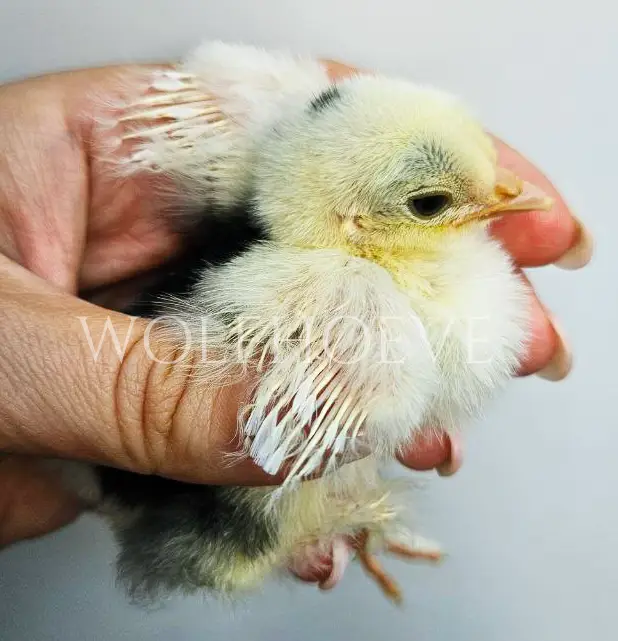
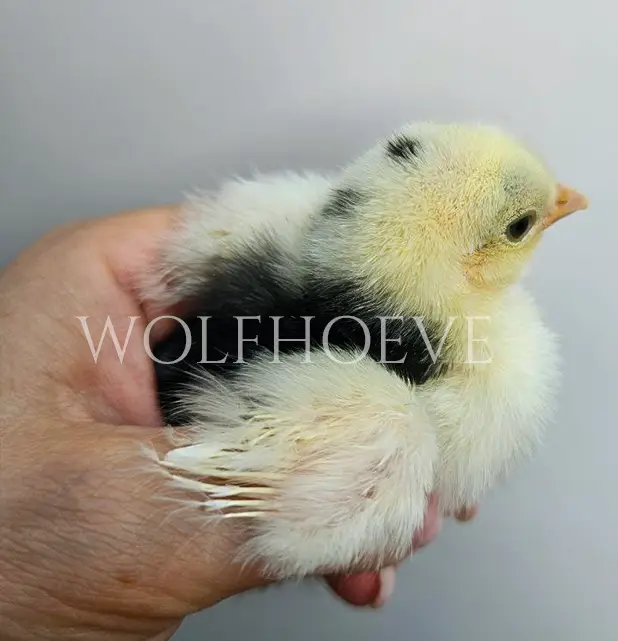
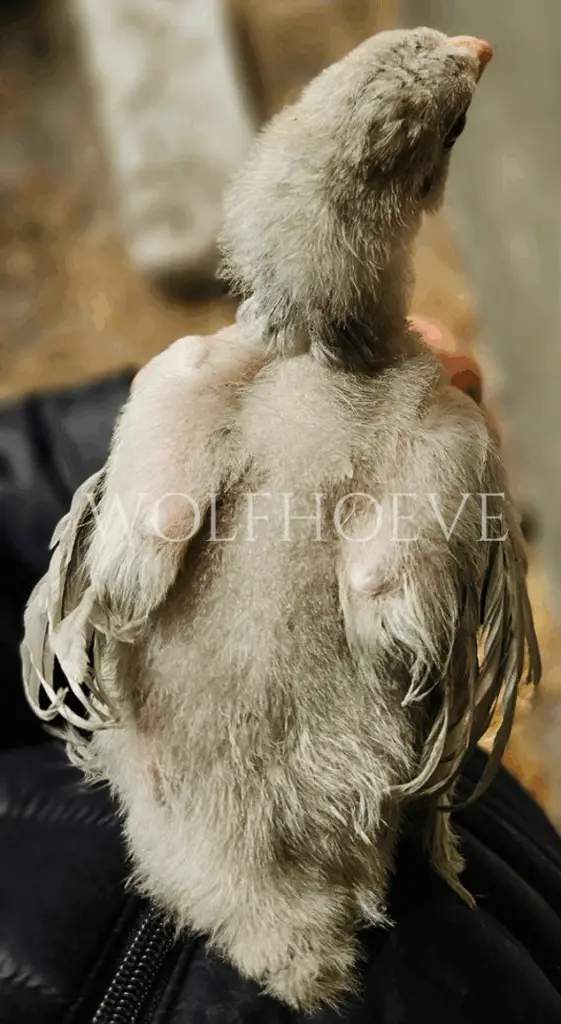
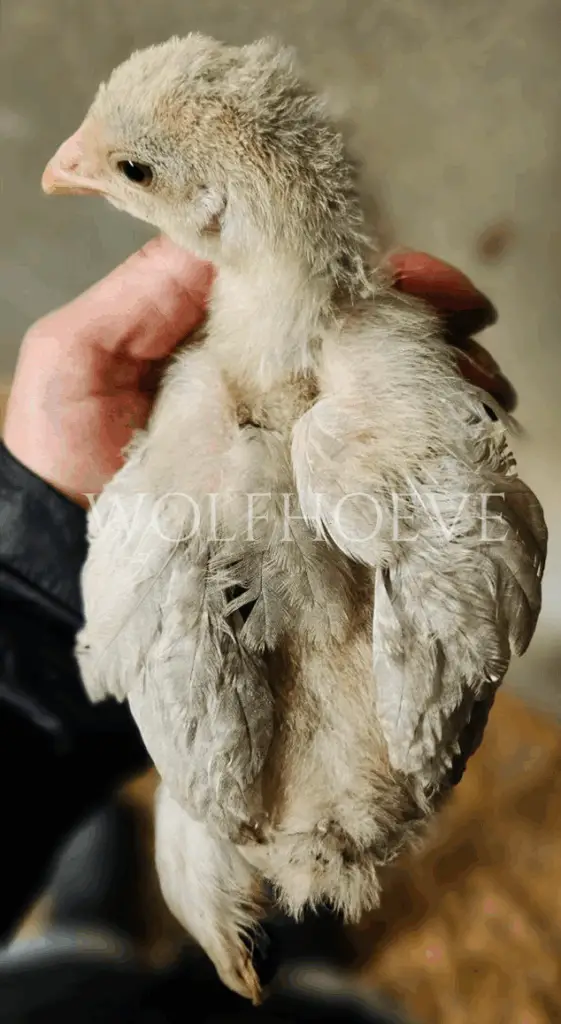
- Wing feather sexing: In some lines, pullets show staggered primaries while males have more uniform feathers. This only works if a parent carries a specific feather-speed gene.
- Vent sexing: Expert-only. Accurate in hatcheries but risky at home – a slip can injure the chick.
2–4 weeks
- Comb/wattle colour: Males may show a reddish tint, while pullets stay pale.
- Feathering speed: Many cockerels feather more slowly – especially tails and wing coverts – giving them a blockier, “unfinished” look.
5–8 weeks
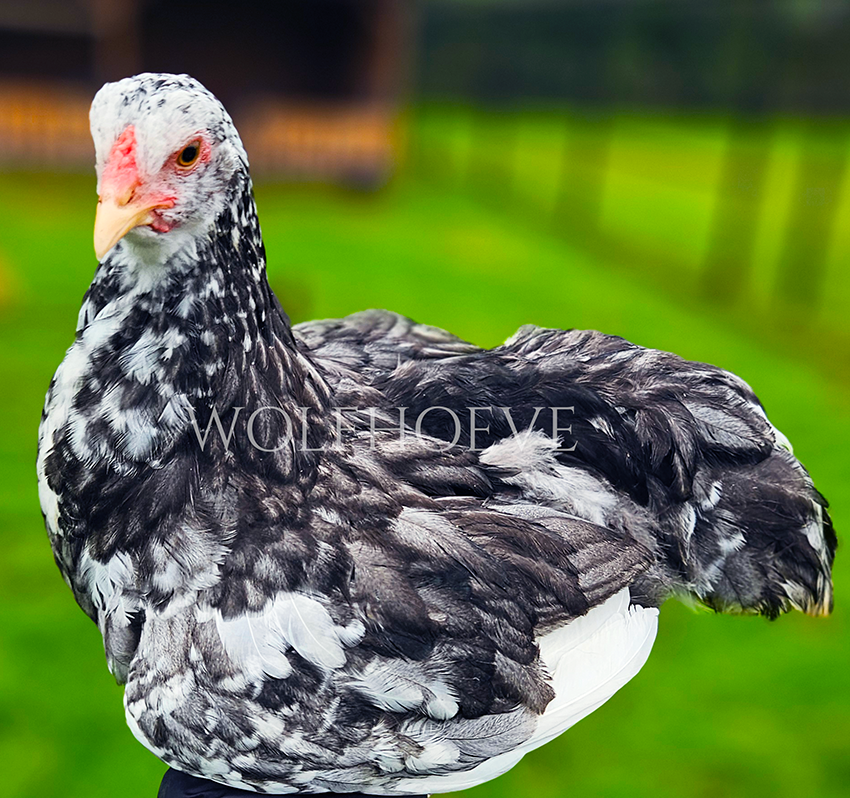
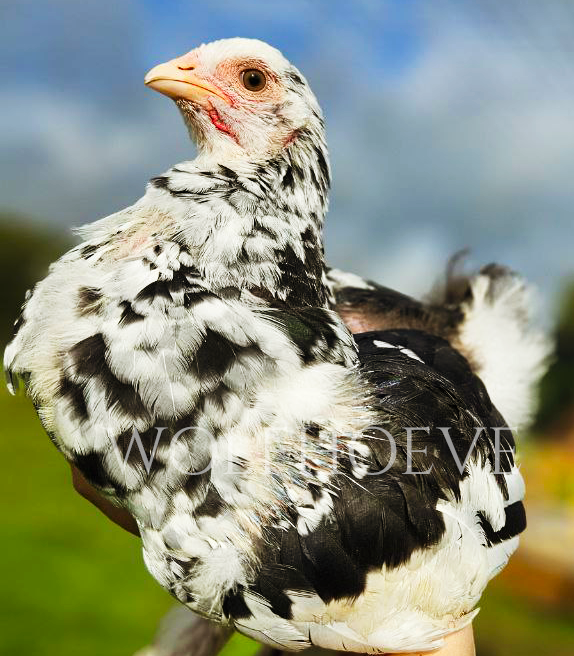
- Chest and shoulder shading: Males often develop solid, darker chest feathers while pullets show pencilling, stippling, or lacing sooner.
- Body stance: Males start to carry themselves more upright, with thicker legs and a blockier head profile.
9–12 weeks and beyond
- Combs/wattles: Red, fuller combs and dropping wattles mark males; pullets stay small and pale.
- Hackle and saddle feathers: Cockerels grow pointed feathers on neck and back, hens remain rounded.
- Behaviour: Young males may start “play crowing,” sparring, or chest-bumping. Some pullets also spar, so use this only as supporting evidence.
Rule of thumb: Make guesses early, but don’t advertise chicks as sexed with certainty until 10–12+ weeks.
The five main sexing methods, ranked by accuracy
- DNA testing – ★★★★★ – Nearly 100% accurate. Best for breeders selling early. DNA sexing uses a feather or blood sample to analyse sex-linked markers. Services cost around €15–25 per chick. Extremely reliable, but the price can add up quickly in larger flocks.
- Feather pattern at 6–10 weeks – ★★★★☆ – Useful in pencilled, partridge, or laced lines where pullets show neat patterning before males. Free to use, but only works in certain varieties.
- Comb and wattle development – ★★★☆☆ – Moderately accurate. In some families, males redden at 4–6 weeks; in others much later. Free, but variable.
- Feather speed – ★★☆☆☆ – Low accuracy unless you know the parent genetics and whether the
K(slow feathering) gene is present. Free, but often misleading. - Vent sexing – ★☆☆☆☆ – Used in hatcheries, expert-only. Theoretically accurate, but high risk of injury if done incorrectly. Not recommended for hobby flocks.
Variety-specific pattern cues (and the role of the K gene)
- Dark and Partridge Brahmas: Pullets show pencilling on breast and wings early; males develop darker, more solid breasts and paler shoulders.
- Laced varieties: Pullets show neat lacing sooner, while males may look patchy or muddy for weeks.
- Buff Columbian and Lemon Pyle: Both sexes look almost identical until comb and wattle differences appear — patience is key here.
- Mottled and Mille Fleur: Spotting can appear unevenly in both sexes. Comb size and feather shape remain the most reliable clues.
- Porcelain and Isabel lines: Pullets often show tidier edging, while males can look washed out or smudgy until their final plumage comes in.
K gene, which causes slow feathering.
When one parent carries K and the other carries k⁺ (fast feathering), male and female chicks show different wing feather lengths from day 1.
This system works reliably in commercial hybrids but is far less dependable in Brahmas, where many lines lack the K allele or show variable expression.
That is why feather-pattern cues in Brahmas are usually more reliable after 6–10 weeks.
Common mistakes to avoid
- Calling it too early: Many Brahma “cockerels” at 4 weeks turn into pullets by 10 weeks.
- Ignoring family differences: Some lines develop slower or faster. Always compare within the same hatch.
- Trusting one sign only: Combine comb, stance, feather pattern, and behaviour for better accuracy.
FAQ
Can down colour predict sex?
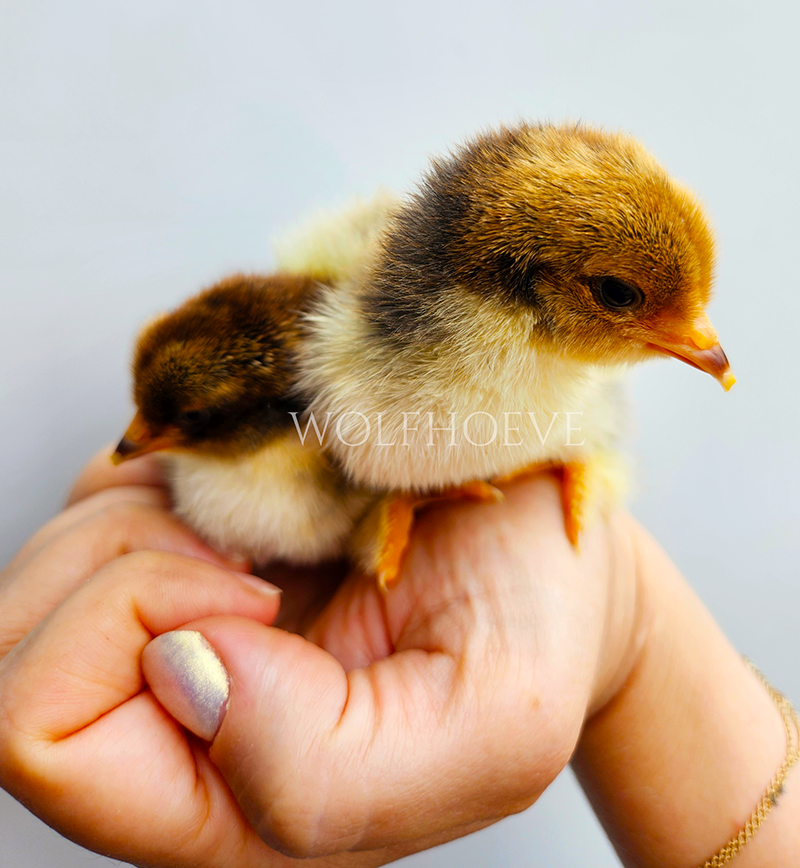
No, not in Brahmas. Down colour reflects variety (buff, silver, partridge, etc.) but does not normally reveal sex. The only exception is in gold × silver crosses, where the sex-linked S (Silver) allele causes day-old cockerels and pullets to show noticeably different down shades. This does not apply to pure Brahma lines.
Which varieties are easiest to sex?
Dark and Partridge, because pencilling shows early. Buff Columbian, White, and Lemon Pyle are hardest until 10–12 weeks.
When can I be sure?
Most breeders feel confident around 12 weeks unless DNA testing is used earlier.
Is DNA testing worth it?
Yes, if you sell chicks before 10 weeks or want guaranteed accuracy. If you’re just raising your own flock, waiting is fine.